
How It Started
Bambi had experienced occasional seizures before - roughly every four months, often after walks, but until this point they had never escalated to the point of needing medication. That changed when she had two seizures in rapid succession at home. Her owners administered rectal diazepam, which briefly brought the seizure under control but when Bambi began to seize again, they brought her straight in.
By the time Bambi arrived at the clinic, she was no longer actively seizing. She was bright, alert and responsive on examination, with a normal heart, lungs and abdomen. Her temperature was mildly elevated at 39.1°C, but this is not unusual in the aftermath of seizure activity. There was also no suspicion or evidence of toxin exposure.
With two seizures already that day and no anti-seizure medication on board, the risk of further episodes was significant. She was admitted to Advanced London Vetcare for monitoring.
Why Seizures Can't Be Ignored
Seizures are a relatively common presentation in veterinary practice, but they are always a symptom rather than a diagnosis in their own right.
"Seizures are a common clinical sign, but they are only a symptom of the underlying disease," explains Isabella Colleoni MRCVS, who managed Bambi's case at Advanced Vetcare London. "And when they're uncontrolled, they can be life-threatening. Seeking urgent veterinary help to get them under control is really important."
The priority, once a patient is stable, is to understand what is driving them, because that answer shapes everything about how the case is managed going forward.
Investigating the Cause
Bambi’s blood tests came back largely normal, with one mild finding: a slightly elevated creatinine level, suggesting possible early kidney changes. This wasn't directly related to the seizures, but flagged a need for follow-up kidney testing in the coming weeks.
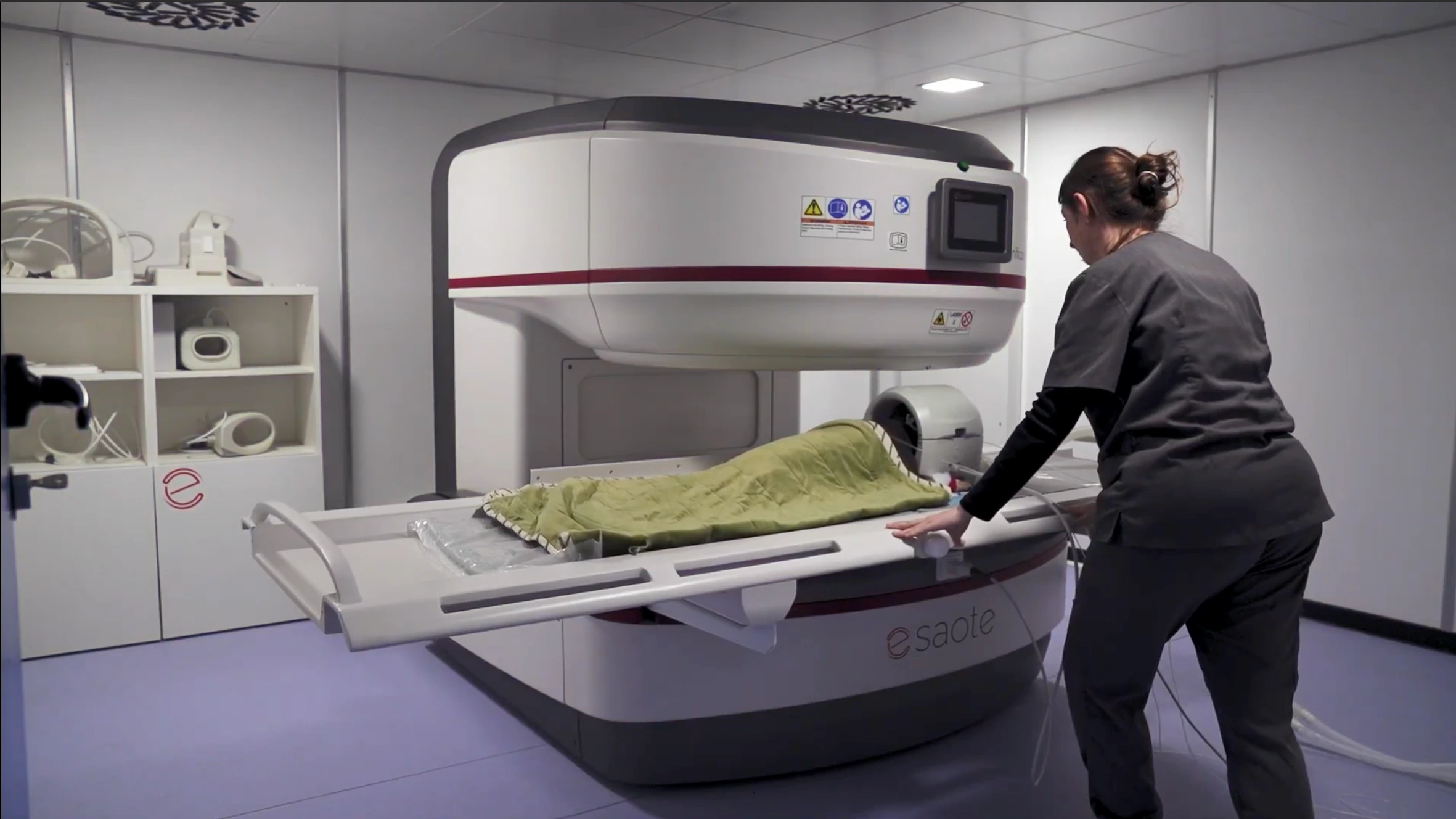
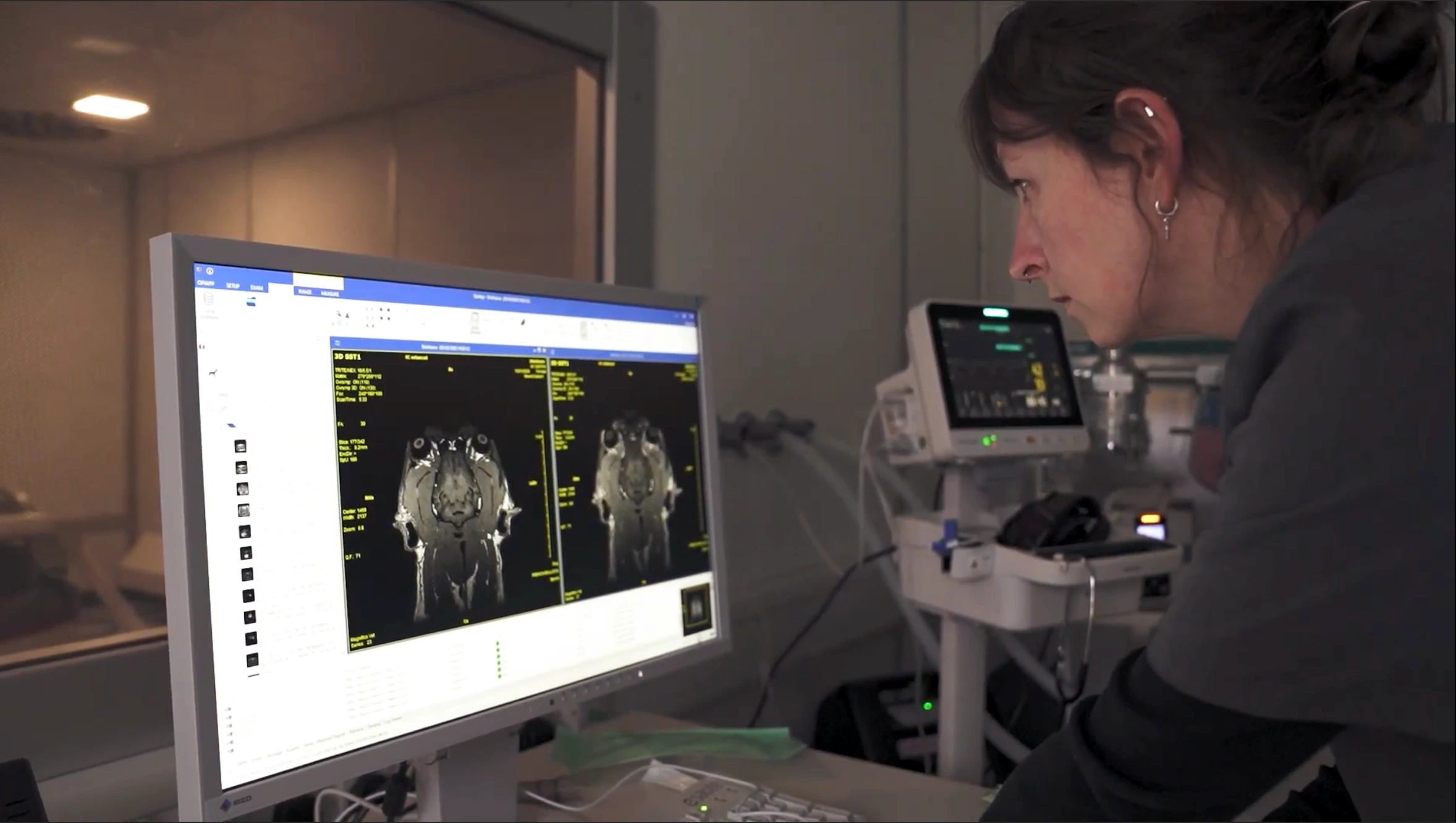
The more pressing question was what was happening in Bambi's brain. To answer that, the team performed an MRI scan of her head, a step that is central to proper seizure workup.
"When screening patients with seizures it is very important that structural disease is ruled out with the use of advanced imaging such as MRI," says Isabella. "Without on-site MRI we'd have to either treat symptomatically only or refer to a neurologist. Having it here means we can offer patients a thorough workup and puts us in a much better position to provide the correct diagnosis and prognosis."
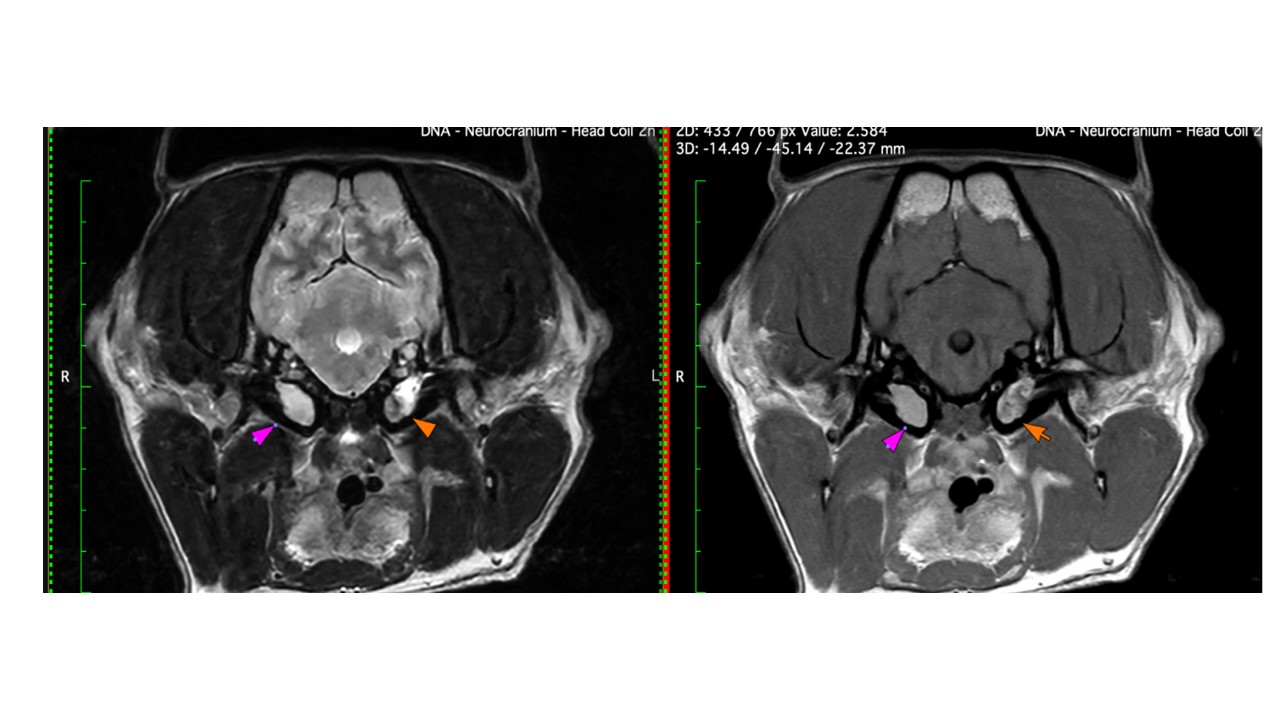
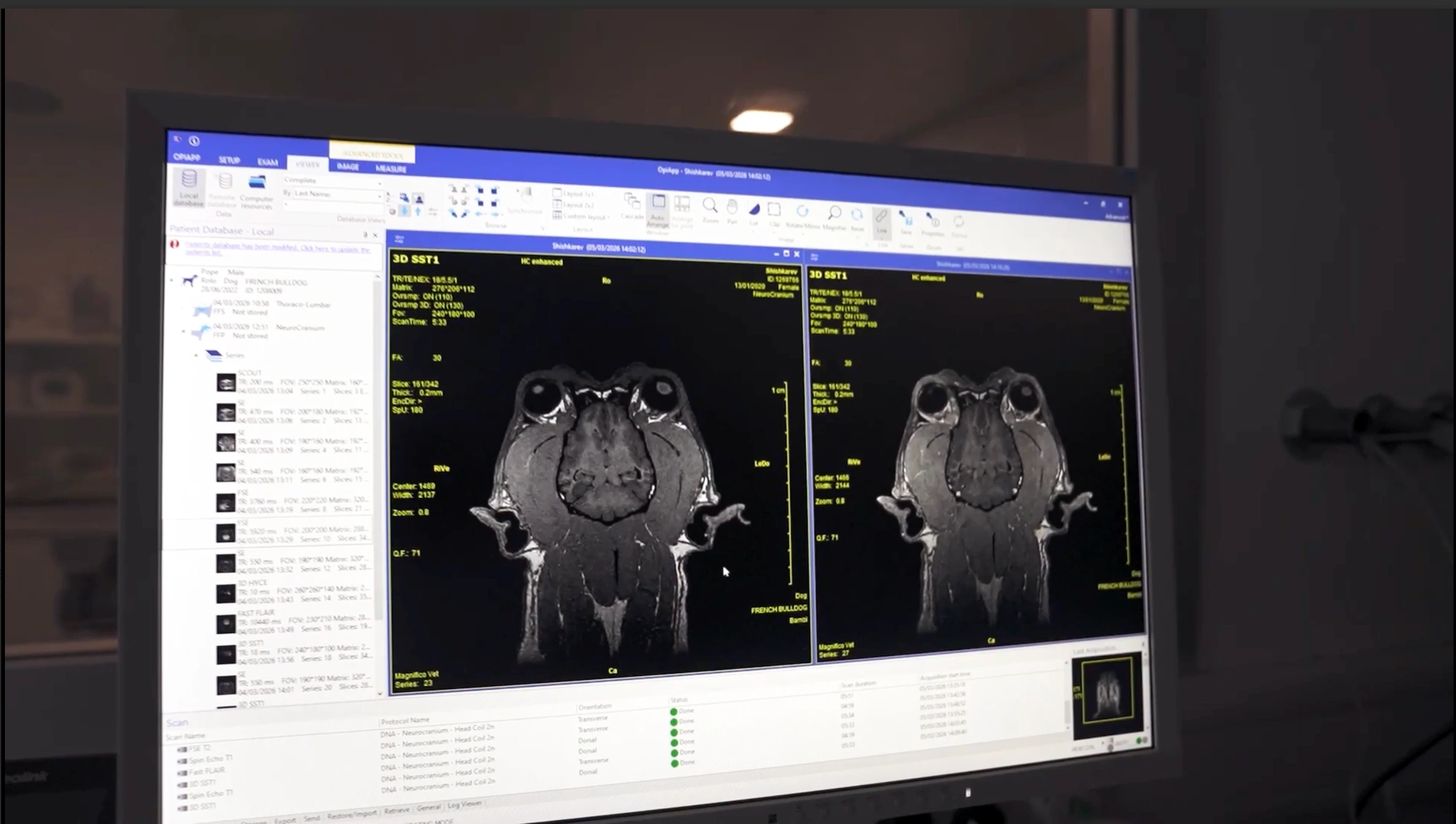
The MRI results were reassuring. Bambi's brain appeared structurally normal — no tumours, no hydrocephalus, no lesions that might explain the seizures. The only incidental finding was mild inflammation in the left middle ear, unrelated to her neurological presentation.
A cerebrospinal fluid tap was attempted during the procedure to gather additional information, but a sample could not be obtained on this occasion. It remains an option for the future if further investigation is needed.
The Diagnosis
With structural brain disease effectively ruled out, the working diagnosis for Bambi is idiopathic epilepsy - a condition in which seizures occur without any identifiable underlying cause in the brain itself.
"The MRI has helped us rule out structural diseases that could be causing the seizures," explains Isabella. "There are still a few other differentials on the table, but everything is leaning towards idiopathic epilepsy. The MRI gives us much more peace of mind that this patient has had a thorough workup."
It is a diagnosis that, while not the outcome anyone hopes for, is genuinely manageable with the right medication and monitoring plan.
Treatment and the Road Ahead
Bambi was started on levetiracetam, an anti-seizure medication given twice daily, to bring her epilepsy under control. She will be rechecked in three weeks to assess how well the medication is working and whether any dose adjustment is needed.
Her kidney values will also be retested at that point, a straightforward precaution to keep a close eye on the mildly elevated creatinine picked up on initial bloods.
For Bambi's owners, the journey from that frightening evening at home to a clear diagnosis and treatment plan will have been a lot to process. But with structural disease ruled out, a diagnosis in place, and medication started, she leaves in a much more stable position than she arrived.
What This Case Teaches Us
Bambi's case is a good illustration of why imaging matters in seizure workup. Treating seizures symptomatically without investigating their cause is possible, but it means managing a symptom without understanding the disease behind it. An MRI scan doesn't just provide answers, it rules things out, and ruling out a brain tumour or structural abnormality is information that genuinely changes how a case is approached and what can be said to an owner about their pet's future.
For pet owners, the message is simple: if your pet has a seizure, seek urgent veterinary attention. And if seizures are recurring, push for a thorough investigation - because what you find, or don't find, makes all the difference.
To refer a case or find out more, visit advancedvetcare.co.uk or call 020 3143 4444.